This site contains information about tobacco and alcohol.
Are you 20 years of age or older?
This site contains information about tobacco and alcohol.
Are you 20 years of age or older?
Ask people what comes to mind with Cuba, and alongside mojitos and cigars, more than a few will say "Cuban sandwich." The 2014 film Chef comes to mind too — pork, ham, Swiss cheese, pickles, and mustard, pressed until golden into a hot sandwich.
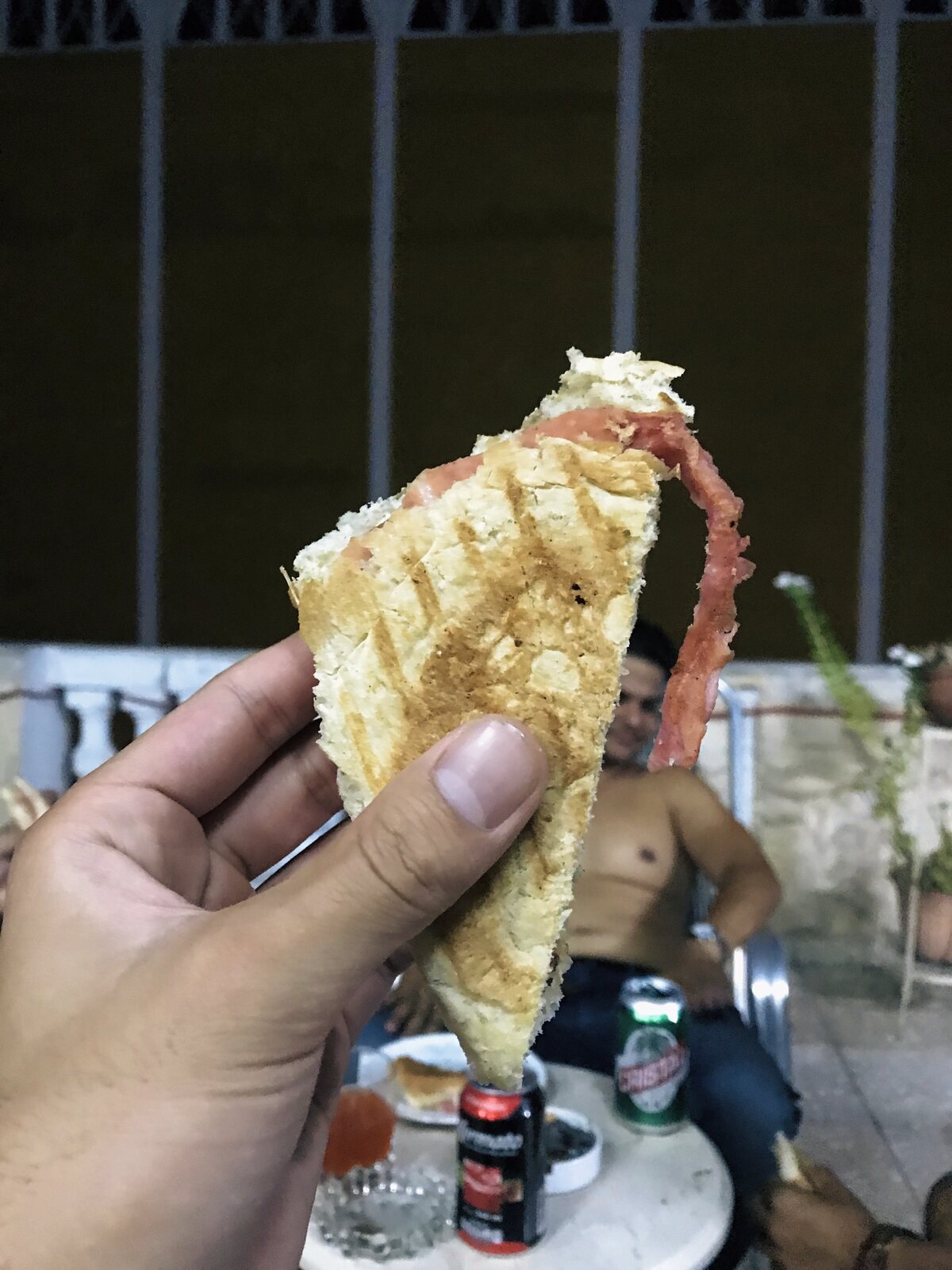
When I actually traveled through Cuba myself, I went out of my way more than once to find a Cuban sandwich at a restaurant, café, or bar.
Looking into it, the Cuban sandwich's roots trace back to the late 19th and early 20th centuries, to the working-class food of Cuban immigrants who moved to Florida. It's generally believed to have been born in the cafés serving cigar-industry workers in Ybor City, Tampa, and Key West, where the Cuban "mixto" sandwich evolved into the American "Cubano."
Among the ones I actually tried on the ground, some were premium versions piled high with vegetables, and others were dressed up almost like a club sandwich.
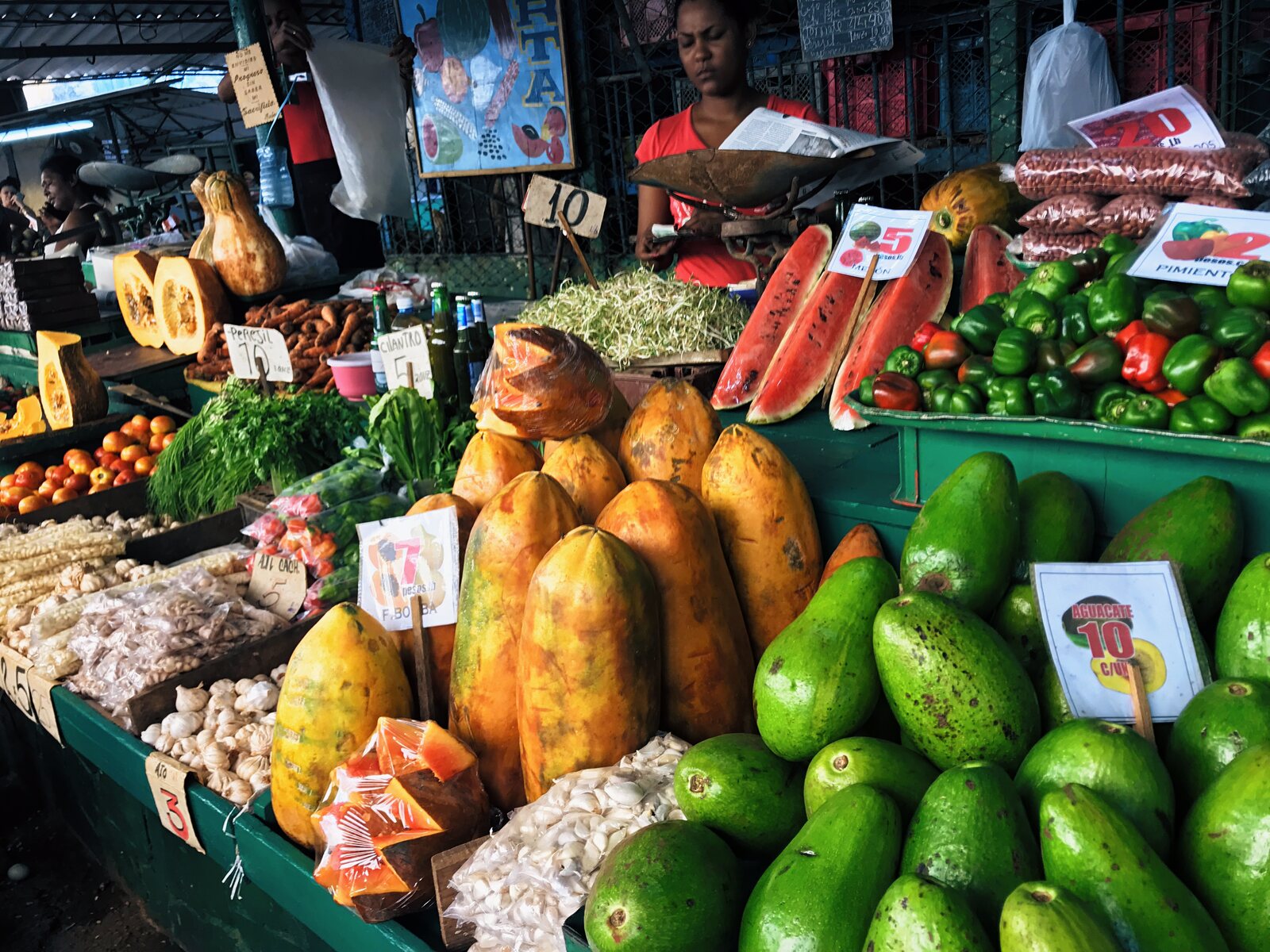
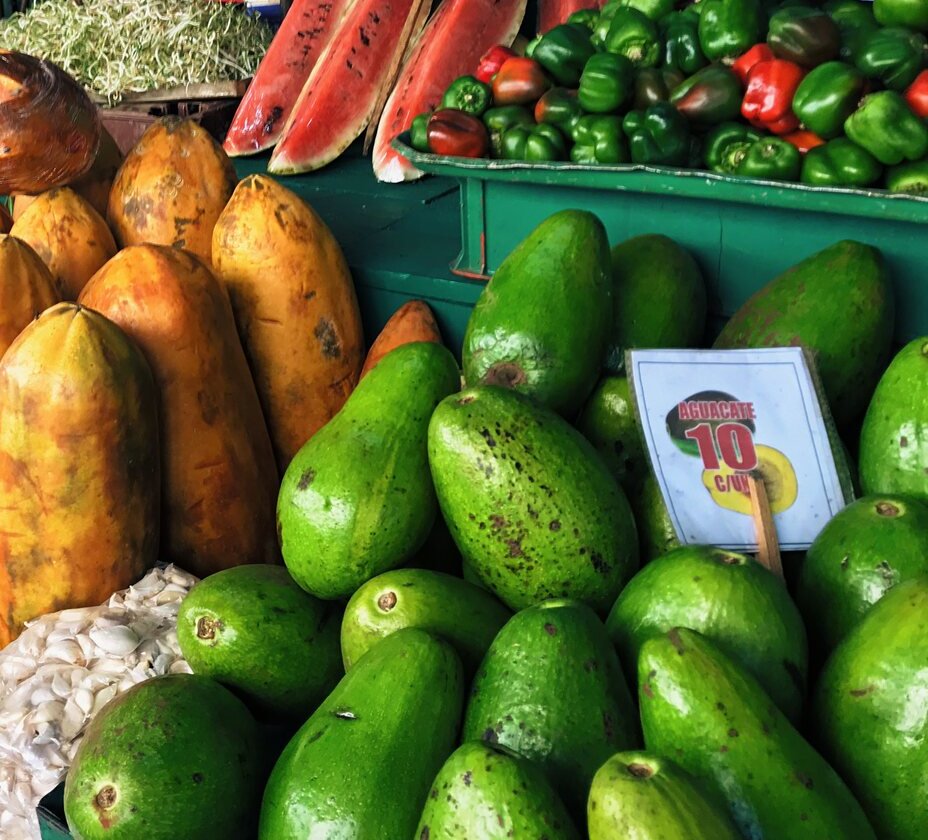
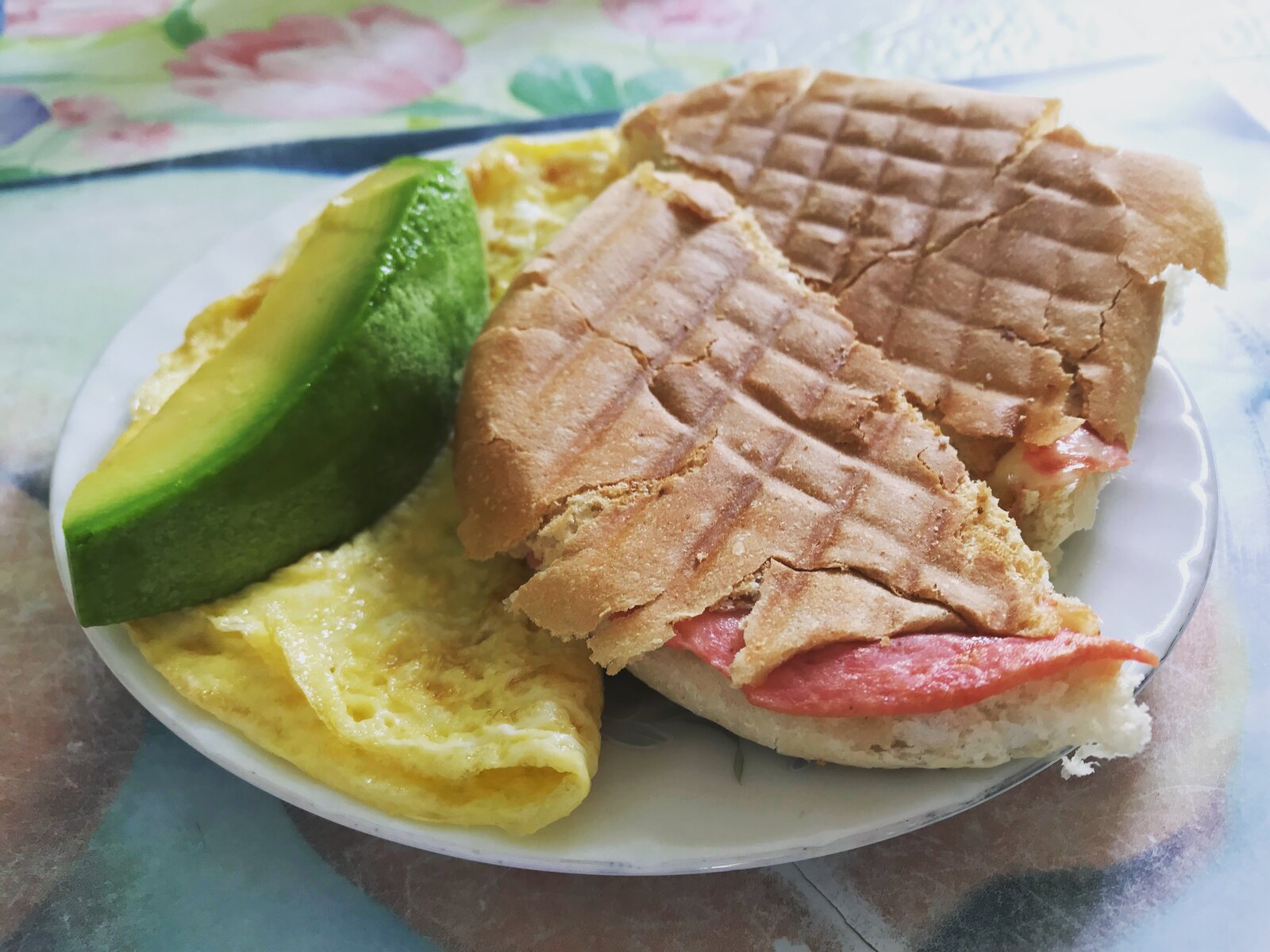
But the one that stuck with me most was a surprisingly simple plate served for breakfast at the casa (a licensed Cuban homestay) that took care of us — a Cuban sandwich, a slice of aguacate (avocado) bigger than the palm of your hand, and café con leche sweetened generously with sugar. No frills, but a breakfast with real, dependable flavor.
That same Cuban sandwich showed up for breakfast almost every single day. You'd think it would get old, but it was so good that we ended up requesting it ourselves.
Born as working-class food, the Cuban sandwich's real appeal, I think, was never about looking beautiful — it's the honest, unpretentious substance of it.
That might run a little against the grain of today's food culture, where looking good for social media often comes first.
At our shop, we serve a Cuban sandwich stripped down to its essentials, as simple as we can make it. We hope you'll enjoy that unadorned plate for what it is.